En

What are you looking for?
In recent years, the way we travel has undergone a radical transformation. Whether it is the rise of the Van Life movement, the popularity of overlanding, or simply the desire for more comfortable long-distance road trips, the demand for mobile power has never been higher. We no longer just need a way to charge a smartphone; we need to power laptops, run portable refrigerators, use coffee makers, and even charge camera drones while miles away from the nearest wall outlet.
This is where the solar inverter for car applications becomes an essential piece of gear. By converting the DC power from your vehicle’s battery or a portable solar panel into usable AC power, these devices turn your car into a mobile power station.
At its core, a car inverter is a device that changes direct current (DC) electricity, typically 12V or 24V from a car battery, into alternating current (AC) electricity, which is the standard used by household appliances. While traditional car inverters draw power solely from the alternator while the engine is running, a solar car inverter setup allows you to integrate photovoltaic panels. This means you can keep your devices running without idling your engine, making it a quieter, greener, and more sustainable solution for outdoor enthusiasts.
When selecting an inverter for your vehicle, the most important technical distinction is the type of wave it produces. There are two primary options:
Modified Sine Wave Inverters: These are generally more affordable and work well for simple loads like old-fashioned incandescent lights or basic heating elements. However, they can produce noisy electricity that may damage or cause interference with sensitive electronics.
Pure Sine Wave Inverters: These mimic the clean power provided by the utility grid. They are essential for running modern laptops, medical equipment, and high-end kitchen appliances.
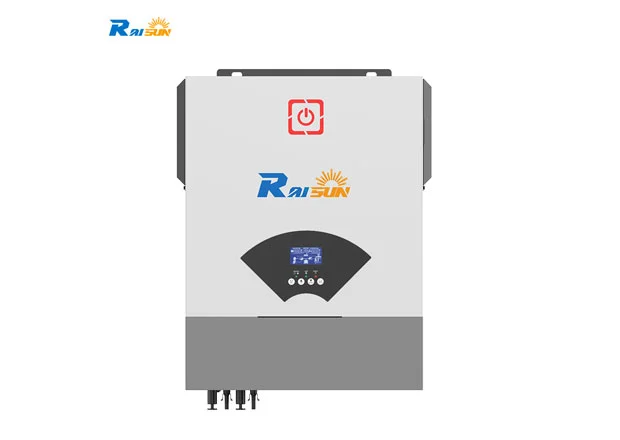
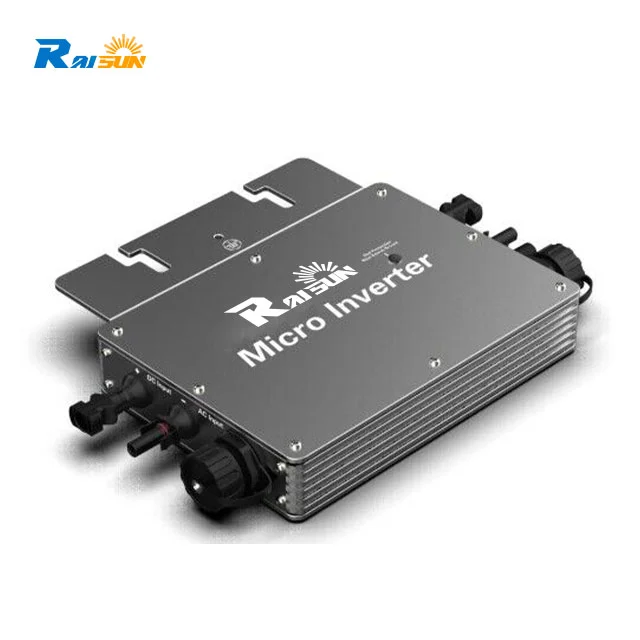
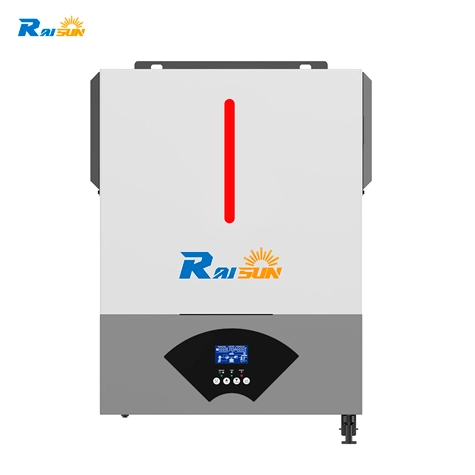
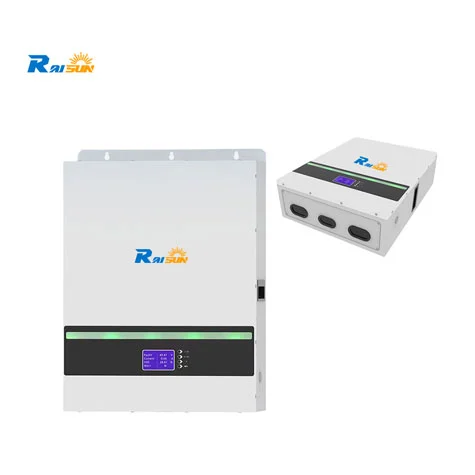
For those who prioritize the safety of their high-value electronics, investing in a high-quality unit is non-negotiable. The range of solar inverter wholesale from Raisun is specifically engineered to provide stable, clean power, ensuring that your devices operate at peak efficiency without the risk of overheating or electrical damage.
While some cars come with built-in USB ports or even small 150W AC outlets, these are rarely sufficient for anything beyond a phone charger. A dedicated solar inverter for car use provides several distinct advantages:
Higher Power Capacity: Dedicated inverters can range from 300W to over 3000W, allowing you to run heavy-duty tools or kitchen appliances.
Multiple Outlets: Modern car inverters often feature multiple AC sockets and fast-charging USB-C ports, allowing the whole family to charge devices simultaneously.
Solar Compatibility: Specialized solar inverters allow for a direct plug-and-play connection with portable solar blankets or rigid panels mounted on a roof rack.
Before purchasing an inverter, you must calculate your Total Load. This is the sum of the wattage of all devices you plan to run at the same time. It is also vital to consider Surge Power—the brief spike in energy required to start a motorized appliance like a portable fridge.
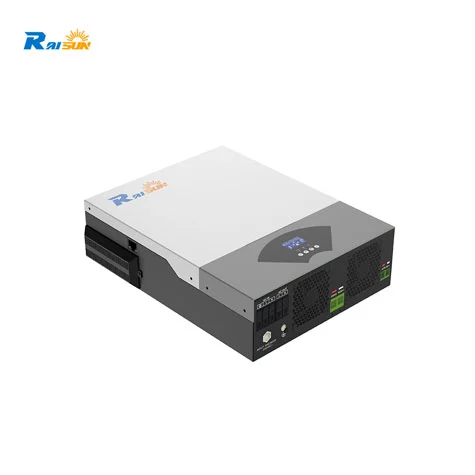
A common mistake is undersizing the inverter. For instance, if you plan to run a 600W blender, you don’t just need a 600W inverter; you likely need a 1000W or 1500W unit to handle the initial startup surge. Raisun’s product line includes various capacities designed to meet these specific needs, offering robust surge protection that many generic brands lack. You can explore specialized solar inverter for car models to find a balance between compact size and high output.
Installing a solar inverter in your car can be simple, but safety should always be the priority.
Connection Method: For low-wattage devices (under 150W), you can usually use the cigarette lighter socket. However, for anything higher, you must connect the inverter directly to the battery using heavy-duty cables. This prevents the car's internal wiring from overheating.
Ventilation: Inverters generate heat during the conversion process. Ensure the unit is placed in a well-ventilated area, away from direct sunlight or flammable materials.
Battery Management: If you are using the inverter while the engine is off, be careful not to drain your starter battery to the point where the car won’t start. This is why a solar-integrated system is so beneficial; the solar panels replenish the battery during the day, providing a sustainable cycle of energy.
As we move toward a more sustainable future, the integration of solar technology into our daily commutes and holiday travels is becoming the norm. A high-efficiency solar inverter does more than just charge a laptop; it provides the freedom to explore remote areas without sacrificing the comforts of home or worrying about the environmental impact of a running engine.
Whether you are a digital nomad working from a scenic overlook or a family heading out on a summer camping trip, having a reliable power source is the key to a successful journey. By choosing a trusted brand like Raisun, you are investing in a system that is durable, efficient, and ready for the rigors of the road.
In conclusion, a solar inverter for car use is the ultimate bridge between the convenience of modern technology and the beauty of the great outdoors. With the right setup, the road truly becomes your home.