En

What are you looking for?
In the modern corporate landscape, sustainability has been a core business strategy. As energy prices fluctuate and carbon-neutral mandates become more stringent, commercial enterprises are increasingly turning to photovoltaic (PV) systems to secure their financial and environmental futures. While solar panels capture the spotlight, the true driver of a project’s Return on Investment (ROI) is the commercial solar inverter. Unlike residential units, which are designed for smaller loads and simpler grid interactions, commercial-scale inverters are high-performance machines engineered to handle the rigorous demands of factories, shopping centers, and large-scale office complexes.
The primary difference between a residential solar inverter and a commercial solar inverter lies in scale, voltage, and electrical architecture. Commercial solar inverters are typically designed for three-phase electrical systems. They manage significantly higher DC input voltages, often reaching 1,000V or even 1,500V, allowing for longer strings of panels and reducing the amount of wiring and labor required during installation. Furthermore, solar inverter commercial units are built for high-duty cycles. While a home inverter might peak for a few hours mid-day, a commercial unit often powers heavy machinery, HVAC systems, and industrial lighting for 10 to 12 hours a day, requiring superior thermal management and robust internal components.
When designing a commercial PV project, engineers generally choose between two primary architectures:
Central Inverters: These are large, standalone units used for utility-scale projects. They offer a lower cost per watt but represent a single point of failure. If a central inverter goes offline, the entire solar farm stops producing power.
Commercial String Inverters: This is the most popular choice for rooftop commercial installations. By using multiple string inverters, the system becomes modular. If one unit fails, only a small portion of the array is affected. String inverters also offer multiple Maximum Power Point Tracking (MPPT) inputs, which is vital for complex commercial roofs with different angles or occasional shading.
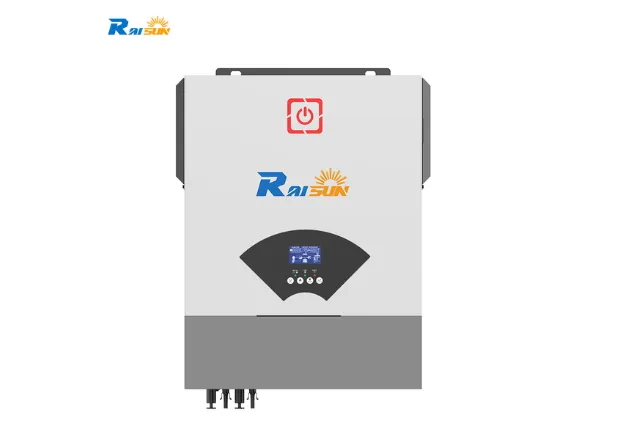
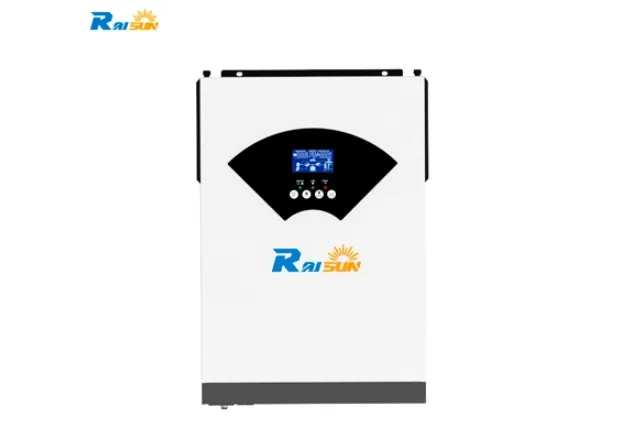
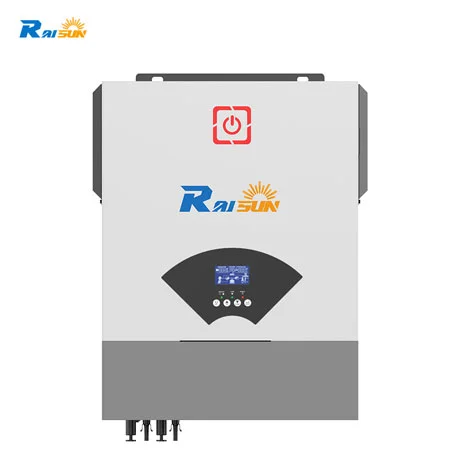
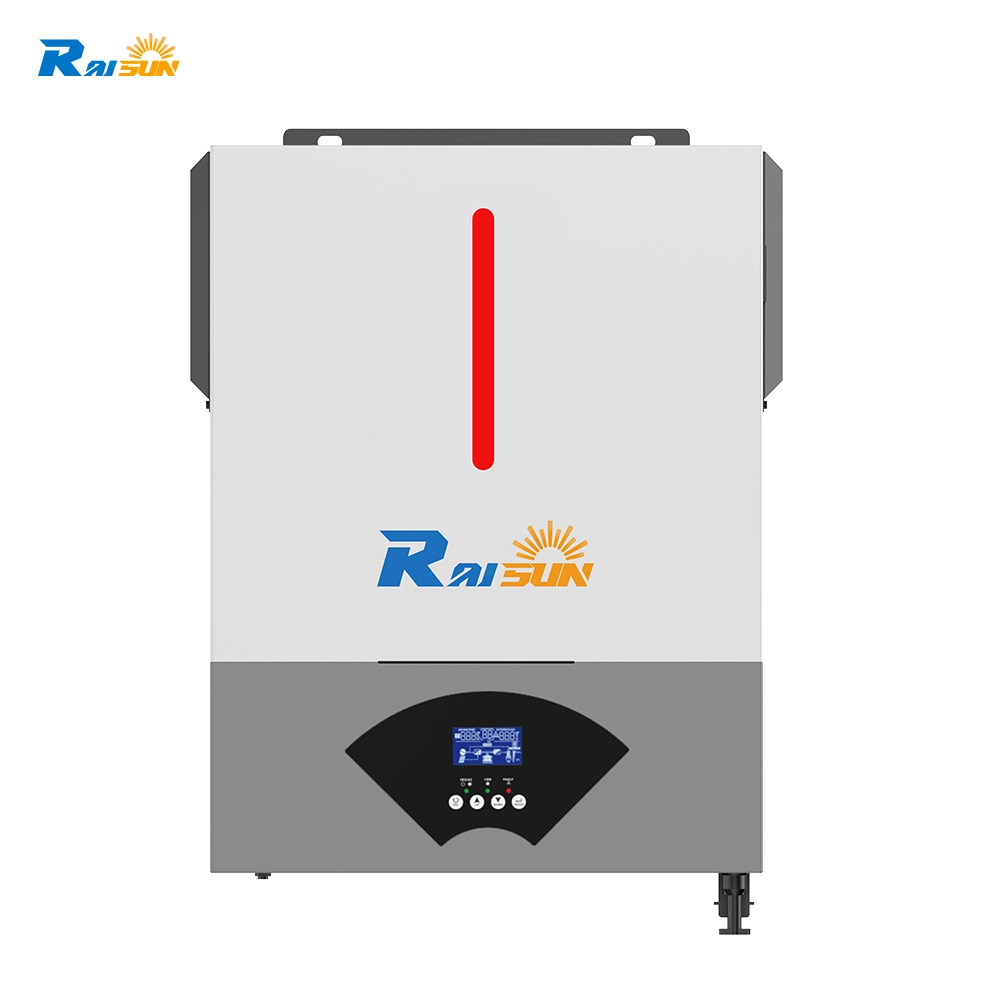
For businesses seeking a balance of industrial-grade durability and high conversion efficiency, the inverter for commercial use from Raisun is specifically engineered to meet these demands. Raisun’s commercial line focuses on maximizing energy yield through advanced MPPT algorithms and ensuring long-term reliability in harsh outdoor environments.
| Feature | String Inverters | Central Inverters |
| Ideal Application | Rooftop, carports, complex terrains. | Large-scale ground-mount utility plants. |
| System Reliability | High (Modular): If one fails, only a small portion of the array is affected. | Moderate: A single failure can take down the entire power plant. |
| MPPT Tracking | Multiple: Excellent for arrays with different orientations or shading. | Few/Single: Less efficient if panels have mismatched outputs. |
| Installation | Easier to install without heavy machinery. | Requires pads, enclosures, and often cranes for placement. |
| Maintenance | Rapid replacement possible; low Mean Time To Repair (MTTR). | Requires specialized technicians and on-site component repairs. |
| Specific Cost | Higher cost per watt (compensated by better yield). | Lower initial capital expenditure (CAPEX) per watt. |
Modern commercial inverters have evolved into sophisticated data hubs. Smart inverters do more than just convert DC to AC; they provide grid support services. This includes voltage regulation, frequency control, and the ability to ride through minor grid disturbances without shutting down.
These smart features are critical for commercial buildings because they allow for advanced monitoring and control. Facility managers can track energy production down to the string level, identifying underperforming panels before they impact the bottom line. This proactive approach to Operations and Maintenance (O&M) is what separates a profitable commercial solar investment from a mediocre one.
In the commercial sector, efficiency is measured in more than just percentages. High-efficiency three-phase inverters are essential for maintaining grid stability. Large commercial solar arrays can significantly impact the local transformer’s load profile.
Top-tier commercial inverters manage reactive power, a technical requirement for industrial motors and large-scale electronics, ensuring that the building’s power factor remains within the utility’s required limits. This prevents power factor penalties on utility bills, which can be a significant hidden cost for industrial users.
For a CFO, the most important metric is the Levelized Cost of Energy (LCOE). The commercial solar inverter is the single most influential factor in lowering this cost. By choosing a high-quality inverter, a business ensures:
Maximized Harvest: High MPPT efficiency means more kilowatt-hours generated from the same number of panels.
Reduced Downtime: Commercial-grade reliability minimizes the need for expensive technician visits and lost production time.
Safety and Compliance: Modern commercial inverters include advanced safety features like Arc Fault Circuit Interruption (AFCI) and rapid shutdown capabilities, which are essential for meeting strict commercial building codes and insurance requirements.
Choosing a trusted solar inverter manufacturer like Raisun for your commercial inverter needs ensures that these economic benefits are realized throughout the 20+ year lifespan of the solar system.
A commercial solar system is a massive asset, and the inverter is the gatekeeper of that asset’s performance. From managing high-voltage DC inputs to providing smart grid support and maintaining industrial-grade stability, the commercial solar inverter is far more than a simple converter.
As businesses continue to lead the charge toward a renewable future, the selection of high-quality, smart, and efficient inverters will remain the key to unlocking true energy independence. By investing in the right technology today, corporations can transform their rooftops into profit centers, proving that what is good for the planet is also undeniably good for business.