En

What are you looking for?
For years, the choice in residential solar was simple but limiting: you could either be connected to the utility grid for convenience or go completely off-grid for independence. However, as energy markets evolve and battery technology becomes more accessible, a third option has emerged as the clear winner for modern homeowners: the hybrid inverter.
Often called a multi-mode inverter, a hybrid inverter is an all-in-one solution that manages power from solar panels, the utility grid, and a battery storage system simultaneously. By acting as the brain of the home’s energy ecosystem, it offers a range of strategic advantages that traditional string inverters simply cannot match.
One of the most significant drawbacks of a standard grid-tied inverter is that it is designed to shut down during a power outage to protect utility workers. This means that even on a sunny day, a home with traditional solar will lose power if the grid fails.
One of the primary benefits of a hybrid system is its Uninterruptible Power Supply (UPS) functionality. A hybrid inverter can detect a grid failure in milliseconds and switch to battery power so quickly that sensitive electronics, like computers and medical equipment, remain operational without a flicker. This seamless transition provides true peace of mind, ensuring that your home remains a sanctuary during storms or grid instability.
Technically speaking, hybrid inverters are more efficient than AC-coupled systems where a separate battery inverter is added to an existing solar setup. Hybrid inverters utilize DC coupling.
In a traditional setup, solar energy (DC) is converted to AC for the house, then back to DC to be stored in the battery, and finally back to AC for use. Each conversion results in a 1% to 3% loss of energy. A hybrid inverter allows the DC electricity from the panels to flow directly into the battery, bypassing unnecessary conversion steps. This ensures that every watt of energy harvested from your roof is utilized to its full potential.
A hybrid inverter is a financial management tool. In many regions, utility companies employ Time-of-Use (TOU) pricing, where electricity costs significantly more during peak evening hours.
A hybrid inverter allows homeowners to engage in load shifting. The system can be programmed to store solar energy in the battery during the day when production is high and discharge that energy during the evening when grid prices are at their highest. By avoiding expensive peak rates, homeowners can drastically reduce their monthly utility bills and shorten the payback period of their solar investment.
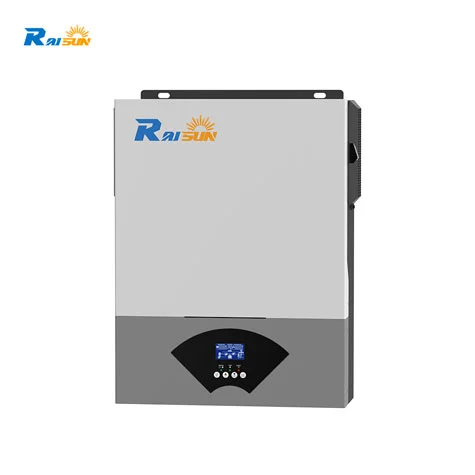
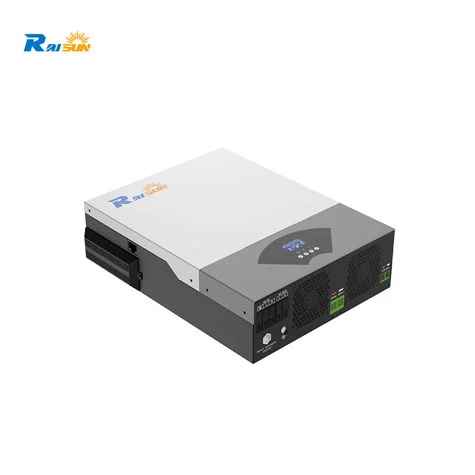
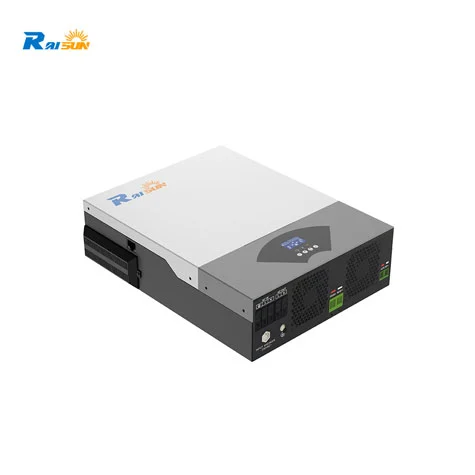
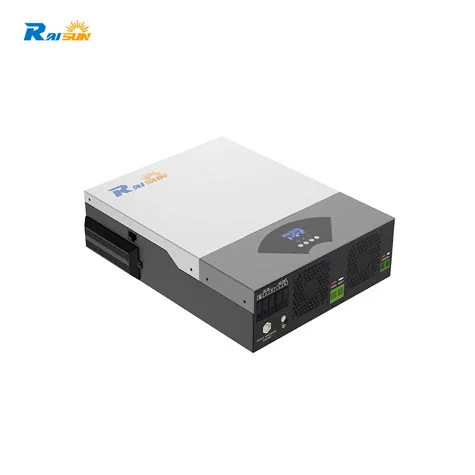
When transitioning to a hybrid setup, the reliability of the hardware is paramount. The hybrid inverter for solar system from Raisun are engineered specifically to maximize these advantages. Raisun’s technology focuses on high-capacity throughput and robust durability. The hybrid inverters are equipped with advanced Maximum Power Point Tracking (MPPT) technology, ensuring optimal energy harvest even in low-light conditions. Furthermore, Raisun's products feature a user-friendly interface that allows homeowners to monitor energy flow in real-time, giving them full control over their production and consumption patterns. By integrating a Raisun inverter, you are investing in a system designed for a 15-to-20-year lifespan, backed by industrial-grade protection against electrical surges and environmental stress.
8.2 KW 48V Hybrid Solar Inverter
10.2 KW 48V Hybrid Solar Inverter
3.6 KW 24V Hybrid Solar Inverter
6.2 KW 48V Hybrid Solar Inverter
Rated Power 24VDC 3.5 KW Hybrid Inverter
Rated Power 48VDC 5.5 KW Hybrid Inverter
Rated Power 24VDC 3.2 KW Hybrid Inverter
Rated Power 24VDC 2.4 KW Hybrid Inverter
Rated Power 12VDC 1.5 KW Hybrid Inverter
In the past, adding a battery to a solar system required a complex retrofit involving multiple boxes, extensive wiring, and additional wall space. A hybrid inverter simplifies this process by housing all the necessary components in a single unit. This all-in-one approach makes the initial installation faster and cheaper. Furthermore, it offers incredible scalability. You can install a hybrid inverter today and wait until a later date to add the batteries as your budget allows. This battery-ready capability ensures that your home is prepared for the future of the smart grid without needing to replace the core of your system.
Modern hybrid inverters are IoT devices. They connect to your home Wi-Fi and provide granular data on your energy habits. Most hybrid systems come with sophisticated mobile apps that allow you to see exactly how much energy you are generating, storing, and consuming. This data empowers homeowners to make informed decisions about their lifestyle, such as deciding to run the dishwasher or charge an EV when solar production is at its peak.
The solar landscape is shifting from simple generation to intelligent management. While traditional inverters served their purpose for the last decade, the hybrid inverter advantages make them the only logical choice for the decade to come. By offering a combination of blackout protection, superior efficiency, and financial optimization, hybrid systems provide a level of security and ROI that was previously unattainable. In an era of rising costs and climate uncertainty, the hybrid inverter is the key to true energy freedom.