En

What are you looking for?
As solar energy transitions from a niche technology to a mainstream utility, the equipment used to manage that energy has become increasingly sophisticated. For the vast majority of residential and commercial solar installations, the heart of the system is the grid-tie inverter (GTI). Unlike off-grid systems that require massive battery banks, grid-tie systems allow users to stay connected to the traditional utility grid while reaping the benefits of renewable energy. But what exactly is a grid-tie inverter, and how does it function as the bridge between your rooftop panels and the local power lines?
At its most basic level, a grid-tie inverter is a power inverter that converts direct current (DC) electricity, produced by solar panels or wind turbines, into alternating current (AC) electricity suitable for injecting into an electrical power grid. However, a GTI is much more complex than a standard inverter. For a GTI to work safely and effectively, it must precisely match the phase and frequency of the utility grid's sine wave. If the grid is running at 60Hz (as in North America) or 50Hz (as in Europe and parts of Asia), the inverter must synchronize its output perfectly to that rhythm. If the synchronization is off, the inverter could damage itself or cause disruptions in the local power supply.
A grid-tie inverter performs several critical tasks simultaneously to ensure the energy produced is grid-ready. The process involves three main steps:
Maximum Power Point Tracking (MPPT): The inverter constantly monitors the solar array to find the sweet spot where the panels produce the most power, regardless of changing sunlight conditions or temperature.
DC to AC Conversion: It converts the raw DC power into a clean Pure Sine Wave AC output. This is vital because modified sine waves can damage sensitive household electronics.
Voltage Matching: The inverter senses the grid voltage, typically 120V or 230V, and ensures its output voltage is slightly higher, allowing the electricity to flow outward into the home’s circuits or back into the grid.
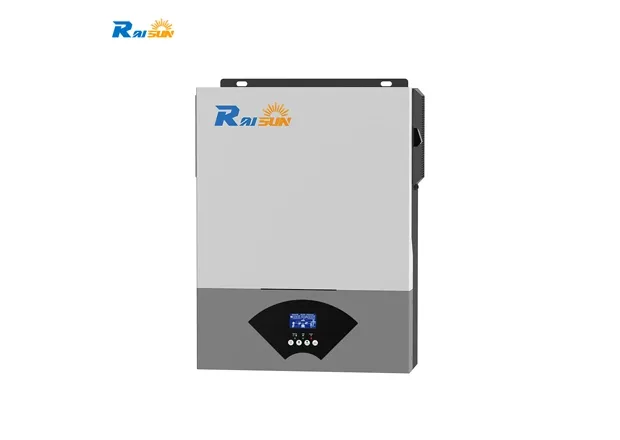
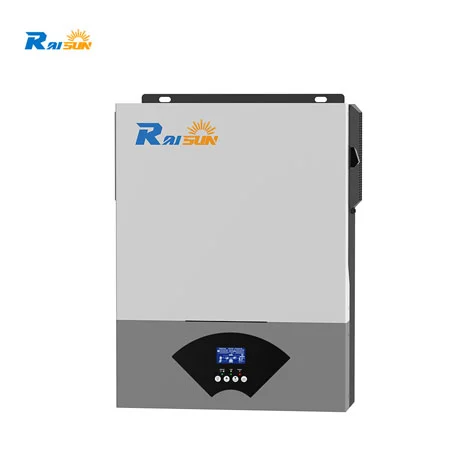
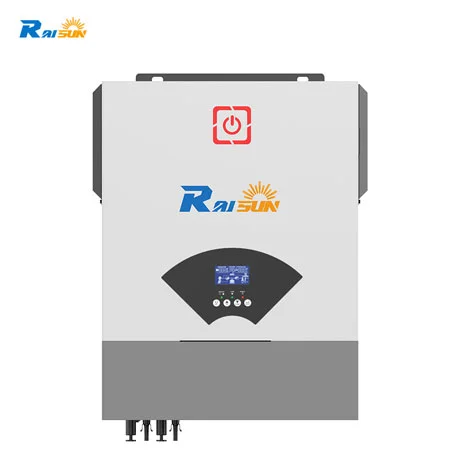
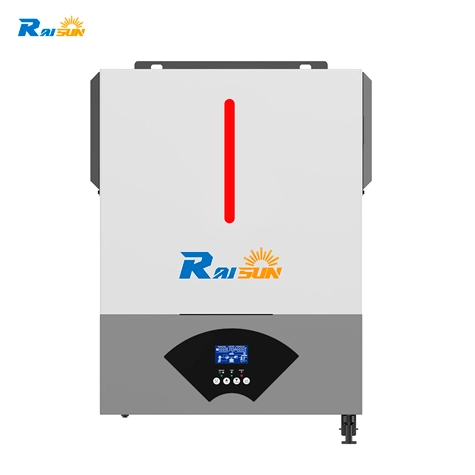
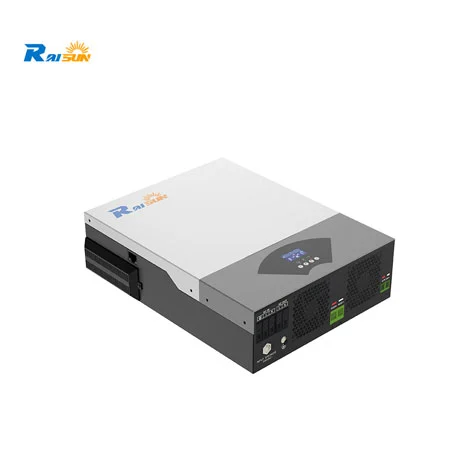
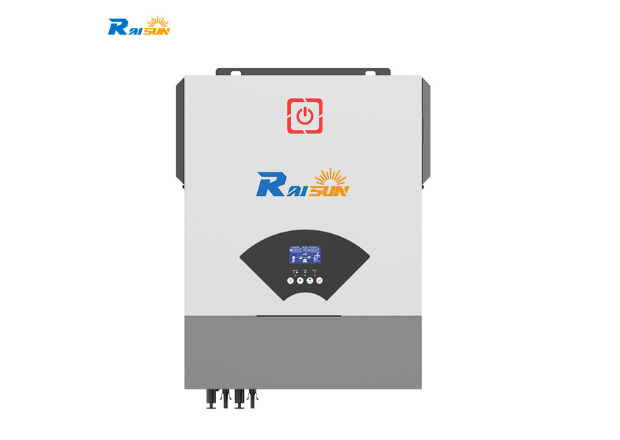
For homeowners looking for high-efficiency conversion and long-term durability, the types of grid tie inverters from Raisun are engineered to handle these complex tasks with precision. Raisun’s units are known for their wide MPPT range and robust build quality, ensuring that users capture every possible watt of energy throughout the day.
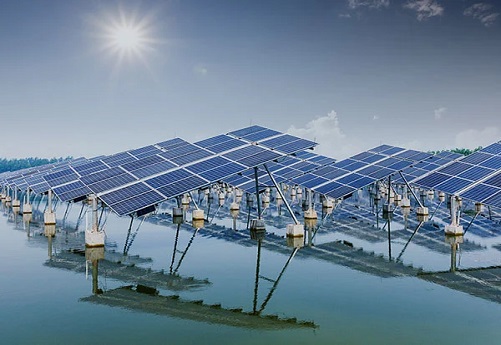
One of the most significant advantages of a grid-tie system is the ability to participate in net metering. When your solar panels produce more electricity than your home is currently consuming, the excess energy is fed back into the utility grid. In many regions, the utility company buys this energy from you, often at a 1:1 rate, effectively turning your power meter backward. This turns the utility grid into a virtual battery. You provide power to the grid during the sunny hours of the day, and you withdraw power from the grid at night. This eliminates the immediate need for expensive battery storage systems, significantly lowering the upfront cost of going solar.
A common question among solar newcomers is: If the grid goes down, will my solar panels still power my house? For a standard grid-tie system, the answer is no.
Grid-tie inverters are equipped with a safety feature called anti-islanding protection. If the utility grid fails due to a storm or maintenance, the GTI must instantly shut down. This is to prevent islanding, where a solar array continues to feed electricity into a dead grid, potentially electrocuting utility workers who are trying to repair the lines. If backup power during outages is a priority, users typically look toward a hybrid inverter, which combines grid-tie capabilities with a battery interface. However, for the average urban user, the standard Raisun grid-tie inverter remains the most cost-effective and efficient path to lowering monthly energy bills.
Because you don’t need to purchase, house, and maintain a large battery bank, grid-tie systems are the most affordable way to install solar. The ROI (Return on Investment) period is usually much shorter compared to off-grid or hybrid systems.
Grid-tie inverters have fewer moving parts and require less maintenance than battery-based systems. They are set and forget devices that run quietly in the background for decades.
By feeding clean energy into the grid, you are helping to decarbonize the local power supply. Your excess energy might be powering your neighbor’s lights, reducing the overall demand on fossil-fuel-burning power plants.
By acting as a sophisticated gateway between individual solar arrays and the massive infrastructure of the utility grid, the grid-tie inverter allows for a seamless, efficient, and financially rewarding energy transition.
Whether you are a homeowner looking to wipe out your monthly electricity bill or a business owner aiming for corporate sustainability, understanding the mechanics of your inverter is key. By choosing a trusted brand like Raisun to buy grid tie inverter, you ensure that your connection to the grid is safe, efficient, and built to last. In the world of solar, the right inverter is the difference between a system that simply exists and one that truly performs.