En

What are you looking for?
In the early days of residential solar energy, homeowners usually had to make a choice: go grid-tied for simplicity and cost-savings, or go off-grid for independence and battery storage. Today, that binary choice has been eliminated by the emergence of the hybrid inverter. Often referred to as a multi-mode inverter, this device serves as the central nervous system of a modern energy ecosystem, managing power from solar panels, battery storage, and the utility grid simultaneously. For those looking to upgrade their energy infrastructure, understanding the hybrid inverter advantages is the first step toward a more resilient and cost-effective home.
A traditional solar inverter has one job: converting the Direct Current (DC) from your solar panels into the Alternating Current (AC) used by your home. If you wanted to add batteries, you typically needed a second, separate battery inverter. A hybrid inverter combines these two functions into a single unit. It can pull energy from the sun, store the excess in a battery bank, and draw from the utility grid when the weather is poor, all while intelligently deciding which source is the most efficient at any given second.
One of the primary advantages of a hybrid system is its superior efficiency. In a traditional AC-coupled battery system, solar energy must be converted from DC to AC (to go into the house), then from AC back to DC (to be stored in the battery), and finally from DC back to AC (to be used later). Each conversion step results in a loss of energy through heat. Because a hybrid inverter manages both the panels and the battery, it allows for DC coupling. The electricity stays in DC form as it moves from the panels to the battery, significantly reducing energy loss. This ensures that every watt generated by your roof is used as effectively as possible.
For many homeowners, the ultimate goal of solar is keeping the lights on during a blackout. However, most standard grid-tied systems actually shut down during a power outage to prevent islanding, sending power back into a dead grid and potentially injuring utility workers. A hybrid inverter provides a built-in solution to this problem. Hybrid inverters can automatically island your home from the grid during an outage. They switch to battery power in a matter of milliseconds, often so fast that your clocks won’t even reset, providing a seamless transition to emergency power.
Beyond just providing power, hybrid inverters are sophisticated financial tools. In many regions, utility companies use Time-of-Use (TOU) pricing, where electricity is significantly more expensive during peak evening hours. A hybrid inverter can be programmed to charge your batteries during the day via solar or late at night via cheap grid power and then discharge that stored energy during peak price windows. This peak shaving strategy can save homeowners hundreds of dollars a year on utility bills, far exceeding the savings of a traditional solar-only setup.
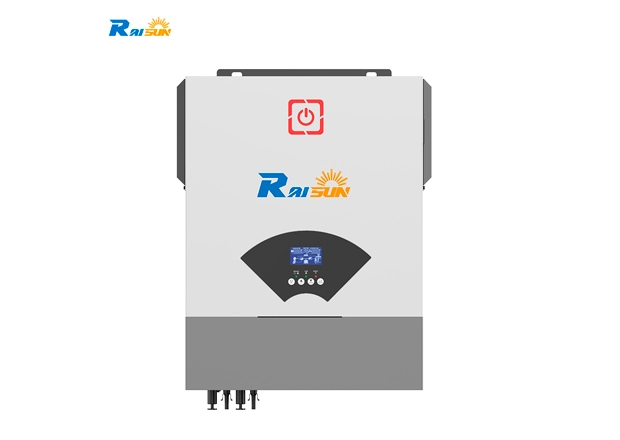
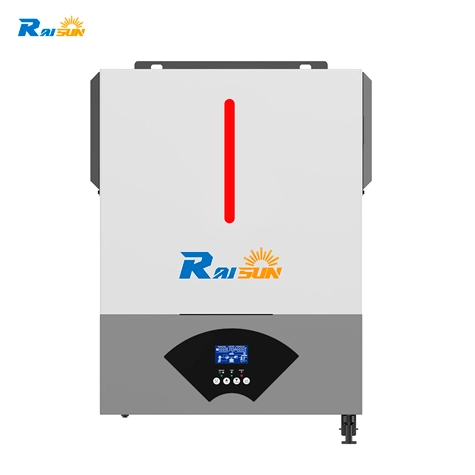
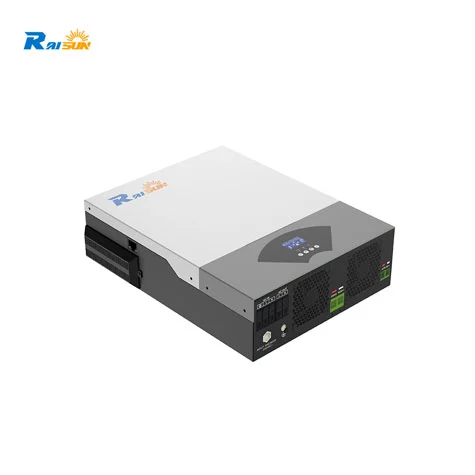
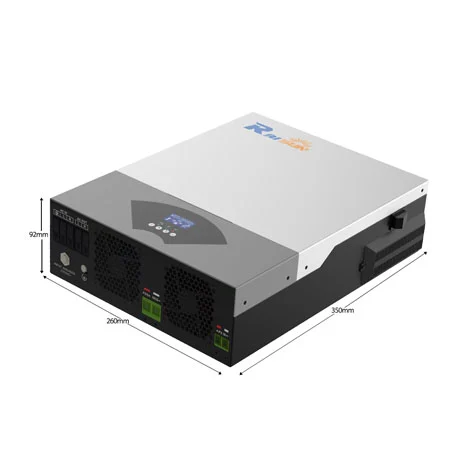
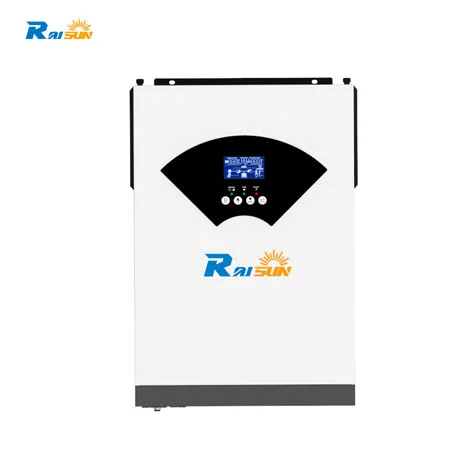
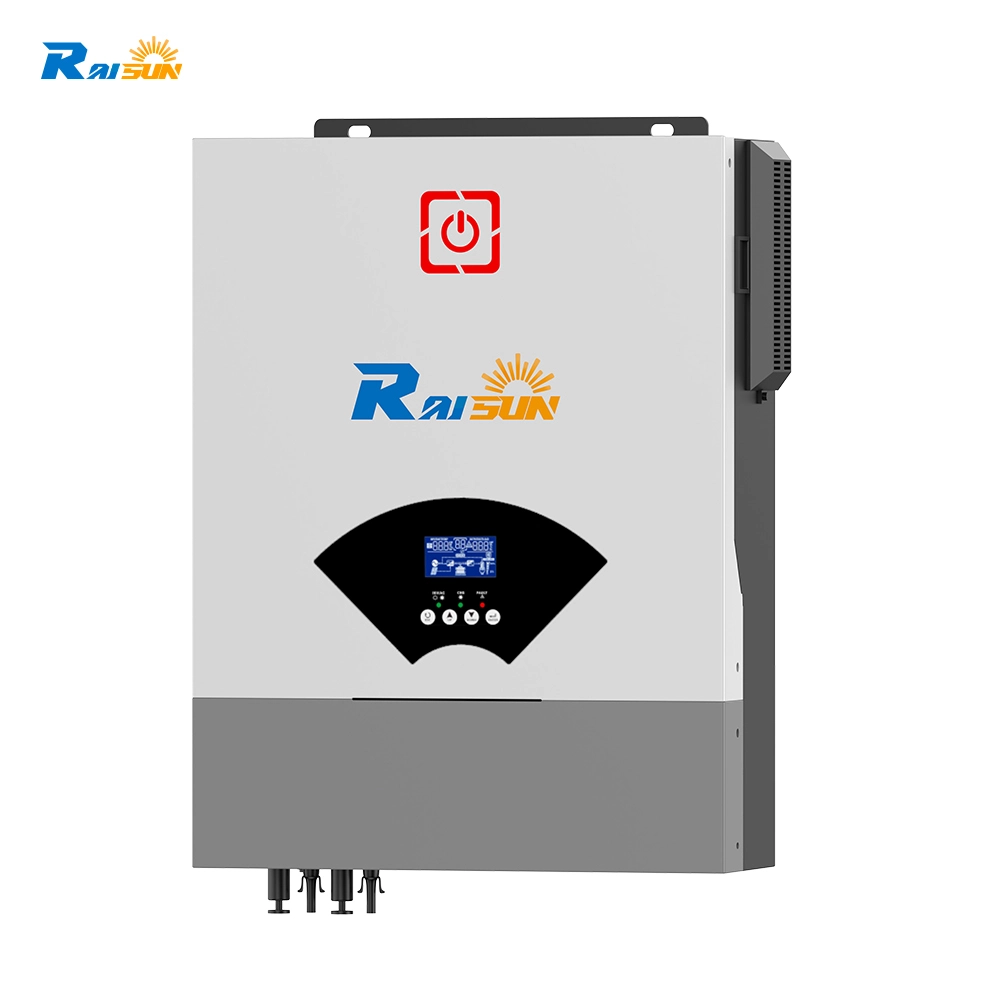
When choosing a hybrid system, the hardware's reliability and feature set are paramount. The hybrid solar inverters from Raisun are designed to maximize these advantages through advanced engineering. Raisun’s hybrid technology focuses on high-capacity throughput and user-friendly monitoring. Their units are built to handle the rigorous demands of modern homes, offering wide DC input ranges and robust protection mechanisms.
By integrating a Raisun inverter, users benefit from:
Dual MPPT Tracking: Ensuring that even if part of your roof is shaded, the rest of the panels continue to produce maximum power.
Seamless Grid Switching: Providing the UPS-like experience that keeps sensitive electronics and medical devices running during grid instability.
Expandability: Allowing homeowners to start with a solar-only setup and easily add batteries later without needing to replace the inverter.
In a non-hybrid system, you might have one app to monitor your solar panels and a second app to monitor your batteries. This makes it difficult to get a clear picture of your total energy consumption. A hybrid inverter centralizes all data. Whether you are checking your system on a smartphone or a laptop, you can see exactly how much solar you are generating, how much battery capacity you have left, and how much you are pulling from the grid in real-time. This centralized control makes it much easier to identify maintenance issues or adjust your usage habits to maximize savings.
The energy landscape is changing. With the rise of Electric Vehicles (EVs) and the push toward electric heat pumps, residential energy demands are skyrocketing. A hybrid inverter is essentially a future-proof foundation. It provides the flexibility to integrate new technologies, such as high-speed EV chargers or larger battery banks, as your lifestyle evolves. For example, using a dedicated solar car inverter from Raisun allows you to bridge the gap between your home’s solar ecosystem and your vehicle. This specialized application ensures that whether you are at home or traveling, you can charge devices and run appliances using the same sustainable principles that power your household.
The era of simple grid-tied solar is slowly giving way to a more sophisticated, battery-integrated future. While hybrid inverters may require a slightly higher initial investment, the long-term hybrid inverter advantages, including increased efficiency, blackout protection, and lower utility bills, far outweigh the costs.
By utilizing high-quality components like the Raisun hybrid inverter for sale, homeowners can take full control of their energy destiny. Whether your priority is saving money, protecting the environment, or ensuring your family’s comfort during an outage, the hybrid inverter is the key that unlocks the true potential of renewable energy.