En

What are you looking for?
As the global transition toward renewable energy accelerates, more homeowners and business owners are looking for ways to achieve complete energy independence. While standard grid-tied systems are common, the off-grid lifestyle offers a level of autonomy that is increasingly attractive in an era of rising utility costs and grid instability. For large-scale residential properties, farms, and industrial facilities, a standard single-phase system often falls short. This is where the 3-phase off-grid solar system becomes the gold standard.
To understand a 3-phase solar system, one must first understand how electrical power is delivered. Most standard homes use single-phase power, which consists of two wires: a live wire and a neutral wire. In contrast, a three-phase system uses four wires: three live wires and one neutral.
The three alternating currents are separated by 120 degrees in phase. This configuration allows for a more consistent and stable delivery of power. While single-phase power pulses, three-phase power provides a steady stream of energy, making it much more efficient for heavy-duty applications. In an off-grid scenario, this stability is crucial for maintaining the longevity of expensive machinery and appliances.
Choosing between a single-phase and a three-phase system depends largely on your energy consumption and the type of appliances you run. Single-phase systems are generally sufficient for small homes with standard lighting and basic electronics. However, if your property includes high-demand equipment, such as large air conditioning units, electric vehicle (EV) fast chargers, powerful workshop tools, or commercial pumps, a 3-phase system is often mandatory.
The primary advantage of a 3-phase system is its ability to handle higher loads without the risk of tripping breakers. It also allows for smaller, more cost-effective wiring over long distances, as the higher voltage (typically 400V or 415V compared to the standard 230V) reduces the current and subsequent heat loss.
In an off-grid setup, the inverter is the most critical component. It is responsible for converting the Direct Current (DC) stored in your battery bank into the Alternating Current (AC) used by your appliances. For a 3-phase system, the inverter must be capable of synchronizing three separate AC outputs perfectly.
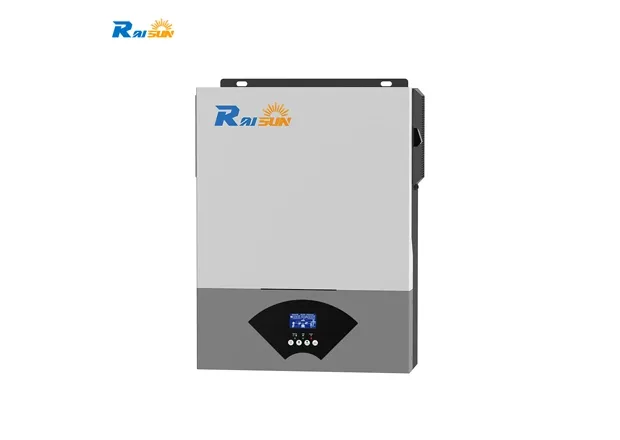
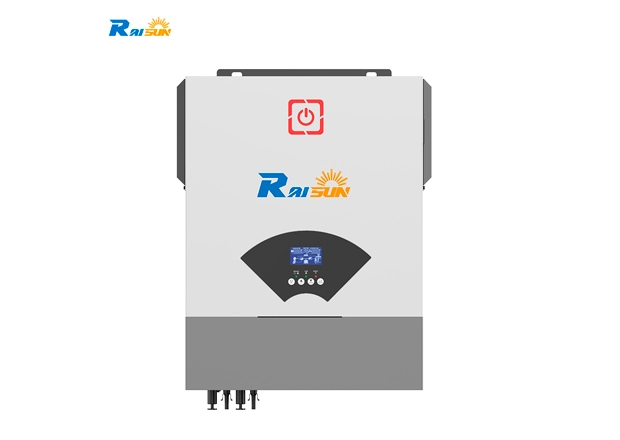
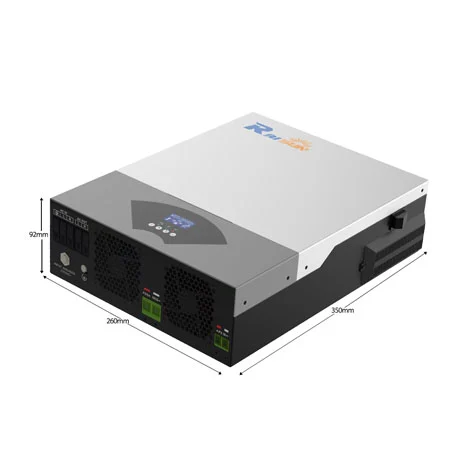
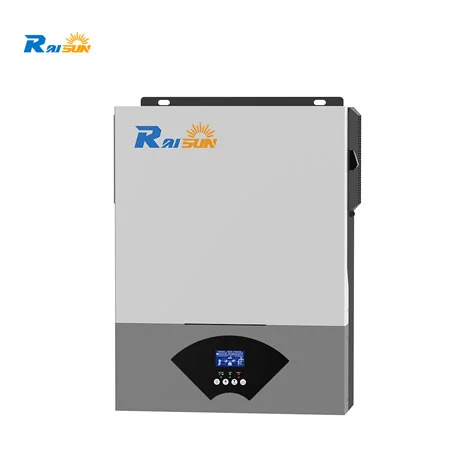
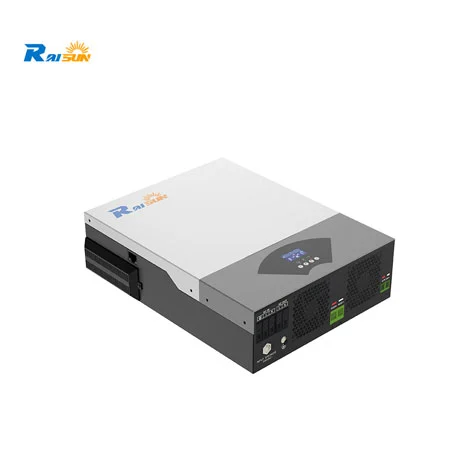
For those demanding high reliability and industrial-grade performance, the off grid 3 phase solar inverter from Raisun offers an ideal solution. These inverters are designed to manage complex load distributions across all three phases, ensuring that even if one phase is heavily taxed, the system remains stable. Raisun’s technology focuses on high conversion efficiency and robust protection mechanisms, which are vital when there is no safety net from the local utility grid.
Building a successful off-grid system requires more than just an inverter. You need a synchronized ecosystem of components:
Solar Array: A large collection of photovoltaic panels to capture energy. Because 3-phase systems usually power larger loads, the solar array is typically more extensive than a residential single-phase setup.
Battery Storage: Since the system is off-grid, energy storage is non-negotiable. High-voltage lithium battery banks are often paired with 3-phase systems to provide the necessary discharge rates.
Charge Controllers: These manage the flow of energy from the panels to the batteries, preventing overcharging.
The 3-Phase Inverter: Using a dedicated Raisun 3-phase off-grid inverter ensures that the 120-degree phase shift is maintained with precision, protecting sensitive three-phase motors.
In a single-phase system, all appliances draw from the same line. In a 3-phase system, you can distribute your load across three different lines. This prevents any single circuit from becoming overloaded, which is a common issue in large estates or agricultural settings.
Most industrial-grade motors (found in large pumps, HVAC systems, and elevators) are designed to run on 3-phase power. Running these on a single-phase-to-three-phase converter is inefficient and can lead to premature motor failure. A native 3-phase solar system provides the clean, balanced power these machines require.
As we move toward a world of electric heating and EV transportation, energy demands are only going up. Installing a 3-phase system now ensures that your off-grid infrastructure can handle future upgrades, such as multiple EV charging stations or expanded living quarters.
While the benefits are clear, 3-phase off-grid systems are more complex and carry a higher upfront cost than single-phase systems. The installation requires specialized knowledge to ensure the phases are correctly balanced. Furthermore, the battery bank must be sized appropriately to handle the surge currents associated with starting large 3-phase motors.
This complexity highlights the importance of choosing high-quality components. Utilizing a trusted brand like Raisun for your inverter needs can mitigate many of the risks associated with phase imbalance and thermal management.
Transitioning to a 3-phase off-grid solar system is a significant investment, but for those with high energy demands and a desire for total independence, it is the most effective solution available today. By providing stable, high-capacity power, these systems bridge the gap between camping off-grid and living off-grid with all the comforts of modern technology.
When designing your system, remember that the quality of your inverter dictates the reliability of your entire power supply. By integrating advanced technology like the Raisun 3-phase off-grid inverter, you ensure that your journey toward energy autonomy is built on a foundation of safety, efficiency, and long-term durability. Whether you are powering a remote resort, a modern farm, or a high-tech workshop, 3-phase solar is the engine that will drive your sustainable future.