En

What are you looking for?
As renewable energy technology matures, the conversation for many homeowners and business managers has shifted from Should we install solar to How do we store it most effectively? For properties equipped with a three-phase electrical supply, the decision regarding battery storage becomes more nuanced. While single-phase batteries have dominated the residential market for years, the rise of 3-phase solar battery storage is redefining what it means to be energy-independent.
In a standard residential setting, electricity is often delivered via a single phase. However, larger homes, modern estates, and commercial facilities typically utilize a three-phase connection. This setup delivers power through three separate conductors, allowing for a higher total power capacity and the ability to run heavy-duty machinery like large HVAC systems, workshop tools, and rapid EV chargers.
A 3-phase solar battery storage system is designed to interact natively with this three-wire configuration. Unlike a single-phase battery that discharges energy into just one of the three lines, a three-phase system can distribute power across all three phases simultaneously, ensuring a balanced and efficient energy flow throughout the entire property.
One of the most common debates in the solar industry is whether a three-phase home actually needs a three-phase battery. The answer depends heavily on your goals for energy security and netting.
In many regions, smart meters perform phase netting, where the total consumption across all three phases is balanced against the total solar production/battery discharge. In this scenario, a single-phase battery can still offset your total bill. However, the limitation arises during a power outage. A single-phase battery can usually only provide backup power to the specific phase it is connected to. If your refrigerator is on Phase A but your battery is on Phase B, you stay in the dark.
A true three phase battery storage system removes this limitation, providing comprehensive backup for the entire building. For those seeking total autonomy, it is a necessity.
Three-phase storage systems offer several technical superiorities over their single-phase counterparts:
Higher Charging and Discharging Rates: Three-phase systems can generally handle much higher power throughput. This is crucial if you have a large solar array and want to capture as much energy as possible during peak sunlight hours, or if you need to run multiple high-draw appliances at once during the evening.
Balanced Load Management: By spreading the load across three phases, the system reduces the stress on individual components and minimizes voltage fluctuations. This leads to a more stable electrical environment, which protects sensitive electronics.
Efficiency with 3-Phase Loads: If you own equipment that runs natively on three phases (such as a commercial-grade heat pump or an industrial motor), a 3-phase battery storage system is the only way to run that equipment directly from stored solar energy without complex and inefficient phase-conversion hardware.
The efficiency of a 3-phase storage setup is dictated by the quality of the inverter-battery interface. The inverter acts as the brain, deciding when to store energy, when to discharge it, and how to balance it across the phases.
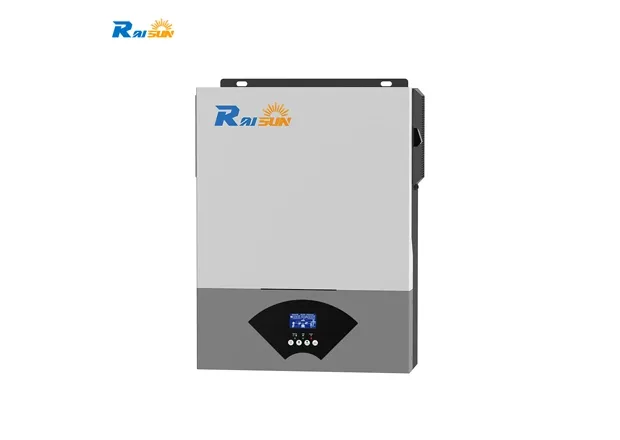
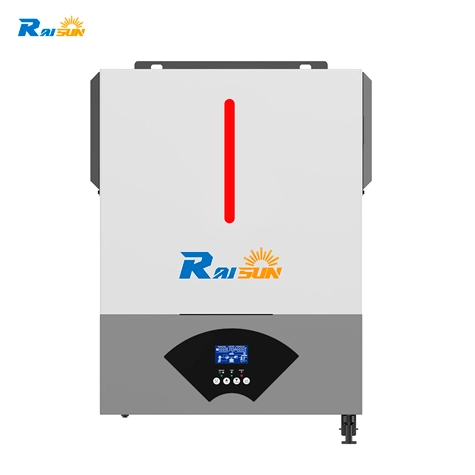
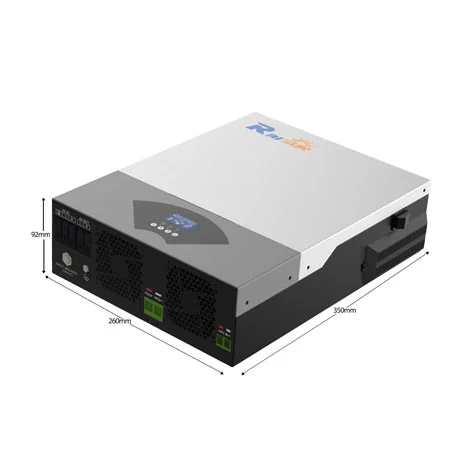
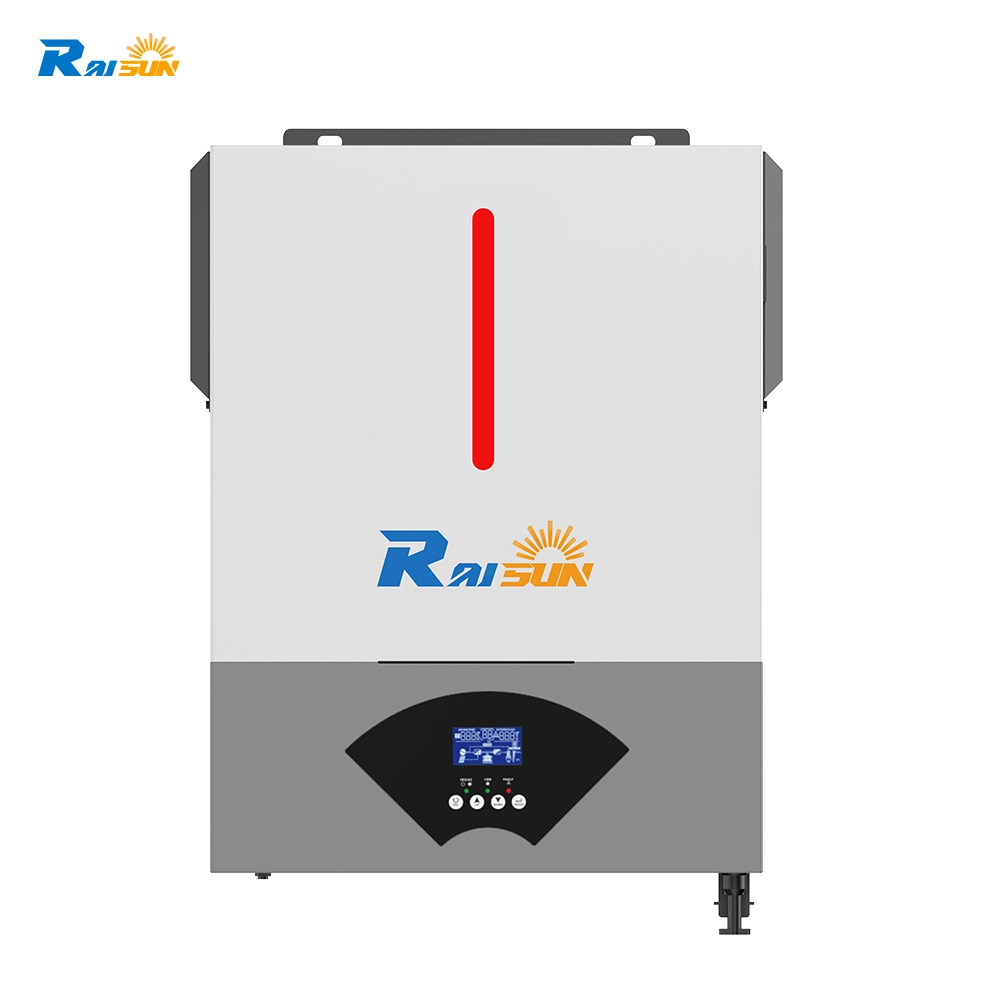
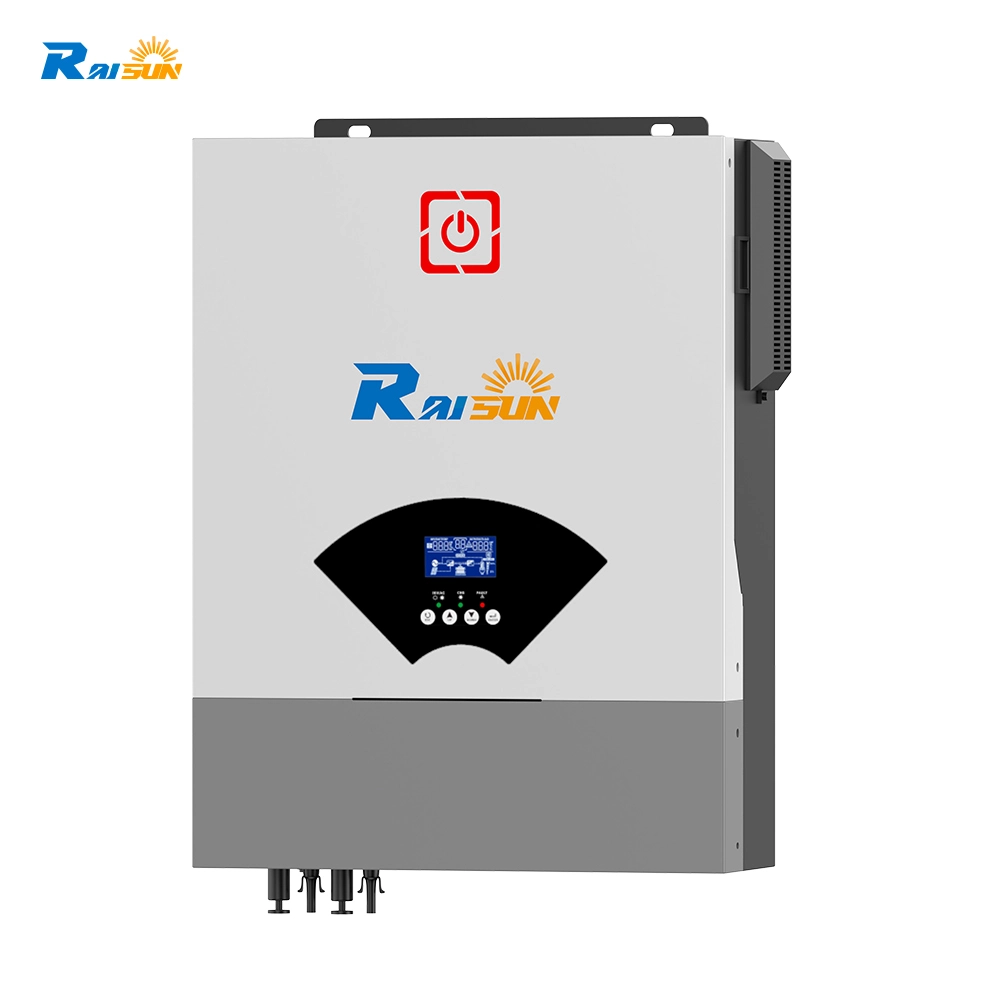
For users looking to build a robust, high-performance system, the three phase off grid inverter from Raisun is engineered to handle these complex demands. The inverter is specifically designed to manage high-capacity battery banks, providing the precise phase synchronization required for three-phase stability. Even in off-grid or weak-grid scenarios, Raisun’s technology ensures that the transition from solar to battery power is seamless and that the output remains clean and consistent.
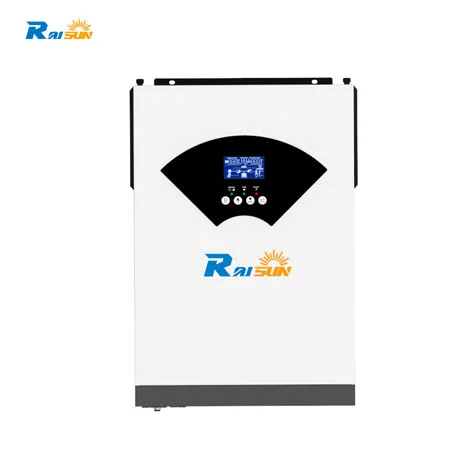
Furthermore, for those who may be starting with a smaller setup but plan to expand into full storage, Raisun’s broader range of solar inverters provides the flexibility needed to integrate various solar and battery configurations as energy needs grow.
When planning for 3-phase solar battery storage, there are three primary factors to keep in mind:
Capacity vs. Power: Capacity (kWh) is how much energy the battery holds, while Power (kW) is how much it can deliver at once. For a 3-phase home, you typically want a higher power rating to ensure you can support multiple appliances simultaneously across all phases.
Physical Footprint: 3-phase systems are often modular but can be larger than single-phase units. Ensure you have a dedicated, well-ventilated space for installation.
Compatibility: Not all batteries work with all inverters. Using a synchronized ecosystem pairing high-quality lithium storage with a dedicated Raisun 3-phase inverter is the best way to ensure long-term reliability and manufacturer support.
The shift toward 3-phase solar battery storage represents the next frontier in domestic and light-industrial energy management. While the upfront cost may be higher than a standard single-phase setup, the benefits of whole-home backup, superior load balancing, and higher efficiency make it a compelling investment for the modern high-demand property.
By integrating advanced control systems and reliable hardware, such as those offered by Raisun, users can move beyond simple solar consumption and achieve a sophisticated level of energy mastery. In an era where grid reliability is no longer guaranteed, a well-designed 3-phase storage system offers the ultimate peace of mind.