En

What are you looking for?
China has long been recognized as the undisputed leader in the global solar energy landscape. From manufacturing the vast majority of the world’s PV panels to boasting the largest installed capacity of solar power, the nation’s influence is peerless. However, a significant shift is currently taking place within this market. As the focus moves from simple energy generation to sophisticated energy management, the China solar hybrid inverter market has become the new frontier of innovation.
The growth of the solar inverter sector in China is fueled by a combination of aggressive government policies and a robust domestic supply chain. China’s solar inverter market is projected to maintain a strong Compound Annual Growth Rate (CAGR) throughout the decade. This growth is underpinned by the Dual Carbon goals, China’s commitment to peak carbon emissions by 2030 and achieve carbon neutrality by 2060.
Unlike traditional string or central inverters, hybrid inverters are gaining traction because they facilitate energy storage. As the Chinese electrical grid becomes increasingly saturated with intermittent renewable energy, the government has begun mandating or incentivizing solar plus storage configurations for new projects. This shift has transformed the hybrid inverter from a luxury component into a critical infrastructure requirement.
A hybrid inverter (or multi-mode inverter) manages power from solar panels, the utility grid, and battery storage simultaneously. The technology market in China is rapidly pivoting toward these integrated solutions. The integration of AI and IoT capabilities allows these inverters to perform peak shaving, charging batteries when electricity is cheap and discharging them when demand and prices are high.
This technological maturity has allowed Chinese manufacturers to move beyond the reputation of being low-cost producers. Today, Chinese hybrid inverters are often at the forefront of efficiency ratings, featuring high-voltage battery compatibility and ultra-fast switching times that rival or exceed European and American counterparts.
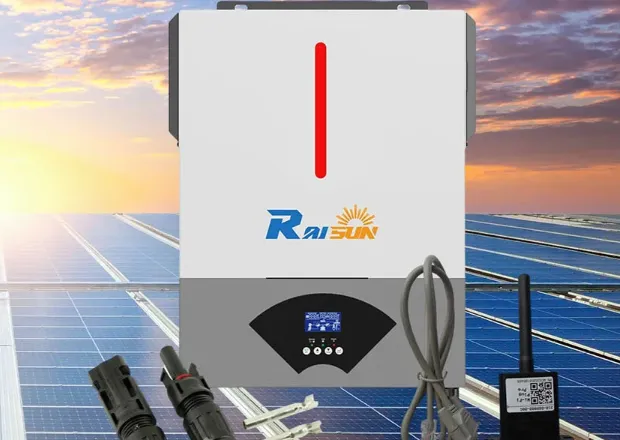
The dominance of Chinese manufacturers in the hybrid inverter space is not merely a result of price. It is the result of a massive investment in R&D. Brands like Raisun have capitalized on this ecosystem to produce hardware that meets rigorous international standards while maintaining a competitive edge.
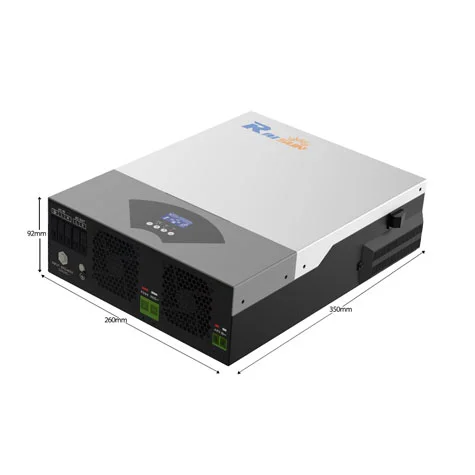
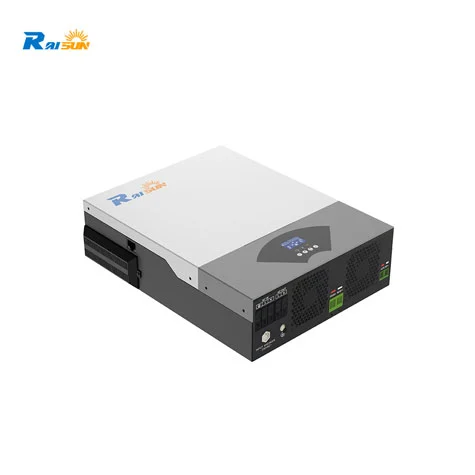
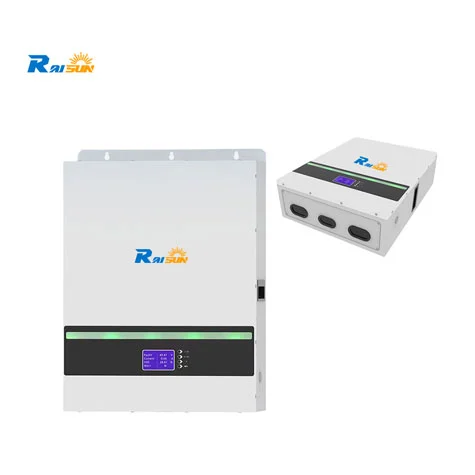
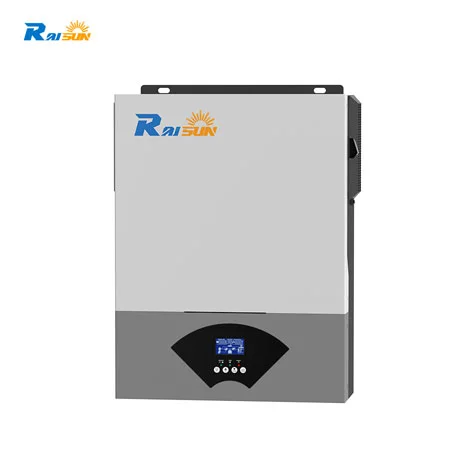
For instance, the hybrid solar inverters from Raisun exemplify the current market trend: high-efficiency energy conversion paired with robust battery management systems. These units are designed to handle the volatile load demands of modern homes and businesses, offering a seamless transition between grid-tied and off-grid modes. By leveraging the local supply chain for semiconductors and high-grade capacitors, Raisun and other leading Chinese firms can offer advanced features, such as dual MPPT trackers and smart monitoring, at a scale that was previously unattainable.
While the market is flooded with options, savvy international buyers must look beyond the spec sheet. There are several critical factors to consider when sourcing hybrid inverters from China:
Certifications: Ensure the product meets local grid codes, such as UL in the US, CE in Europe, or AS4777 in Australia. Chinese manufacturers targeting export markets typically hold a wide array of these certifications.
After-Sales Support: One of the historic challenges was the lack of local support. Leading brands have addressed this by establishing local service centers or partnering with international distributors to provide real-time technical assistance.
Warranty Terms: A standard 5-to-10-year warranty is now the industry norm. Buyers should verify the financial stability of the manufacturer to ensure the warranty remains meaningful over the long term.
Software Integration: In the modern era, the App is as important as the box. Leading Chinese inverters come with sophisticated cloud-based monitoring platforms that allow users to manage their energy use from anywhere in the world.
The future of the China solar hybrid inverter market is inextricably linked to the battery industry. As the cost of lithium-ion and sodium-ion batteries continues to plummet, the Solar + Storage model will become the default for both residential and commercial sectors. We are already seeing a trend toward all-in-one systems, where the hybrid inverter and battery are housed in a single, sleek cabinet for easier installation.
Furthermore, the expansion of the EV market in China is creating new opportunities for V2H (Vehicle-to-Home) and V2G (Vehicle-to-Grid) technologies. Hybrid inverters will serve as the gateway for these interactions, allowing a car battery to power a home during a blackout or sell energy back to the grid during peak hours.
China’s solar hybrid inverter market is a center for global innovation. By combining massive economies of scale with a relentless drive for technical improvement, Chinese brands are providing the tools necessary for the global energy transition. Whether it is through high-performance hardware like Raisun's hybrid solutions or the sophisticated software governing the grid, the technology emerging from China today will dictate the efficiency and reliability of the global solar landscape tomorrow. For homeowners, businesses, and grid operators, the rise of the Chinese hybrid inverter represents a vital step toward a decentralized and sustainable energy future.