En

What are you looking for?
In the early decades of the solar revolution, the industry was dominated by string inverters, large, centralized boxes that managed the output of an entire array of panels. While effective for simple installations, this centralized approach had a significant flaw: if one panel was shaded, dirty, or underperforming, the entire string’s output dropped to the level of that weakest link. The solution arrived in the form of the micro inverter. By shifting the power conversion process from a central location to the individual solar panel, micro inverters have redefined efficiency, safety, and system design for modern solar installations.
A microinverter is a small, modular device that converts the direct current (DC) produced by a single solar module into alternating current (AC). Unlike a string inverter, which is typically mounted on a wall near the electrical meter, microinverters are mounted directly behind each solar panel on the roof.
This distributed architecture means that each panel operates independently. In engineering terms, the microinverter performs Maximum Power Point Tracking (MPPT) at the module level rather than the array level. This ensures that every panel is harvested for its maximum possible energy regardless of what is happening to the panels next to it.
Microinverters offer several distinct advantages over traditional string systems, particularly for residential and complex commercial applications.
In a string system, a single shadow from a chimney or a nearby tree can reduce the system's total output by 30% or more. With microinverters, only the shaded panel is affected. The rest of the array continues to produce power at 100% capacity. This makes microinverters the gold standard for roofs with complex geometry or surrounding obstructions.
Safety is a primary concern for homeowners and firefighters alike. String inverters create a high-voltage DC circuit that runs across the roof and down the side of the house. Microinverters convert DC to AC immediately at the panel. This means there is no high-voltage DC present on the roof, significantly reducing the risk of electrical arcing and fires.
Because each microinverter is connected to the internet, homeowners can see the performance of each individual panel through a mobile app. This granular data allows users to identify exactly when a panel needs cleaning or if a specific component has a fault, making maintenance proactive rather than reactive.
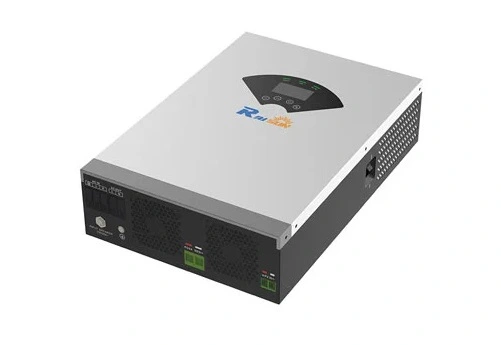
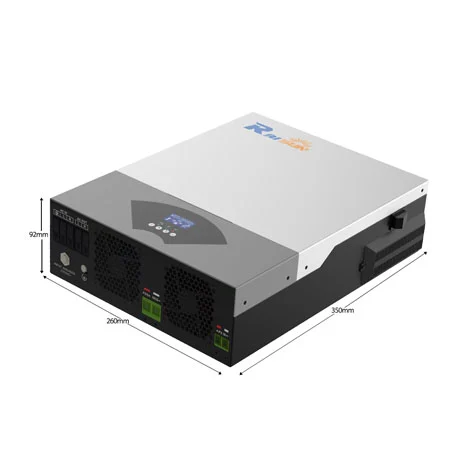
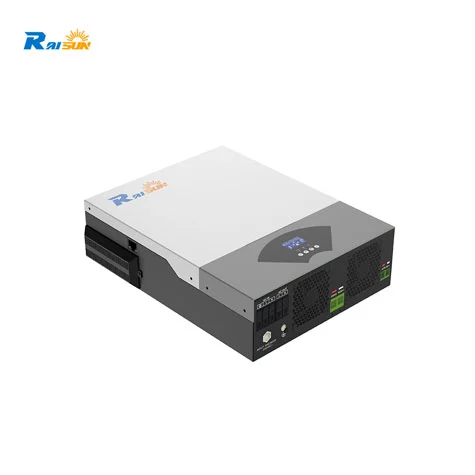
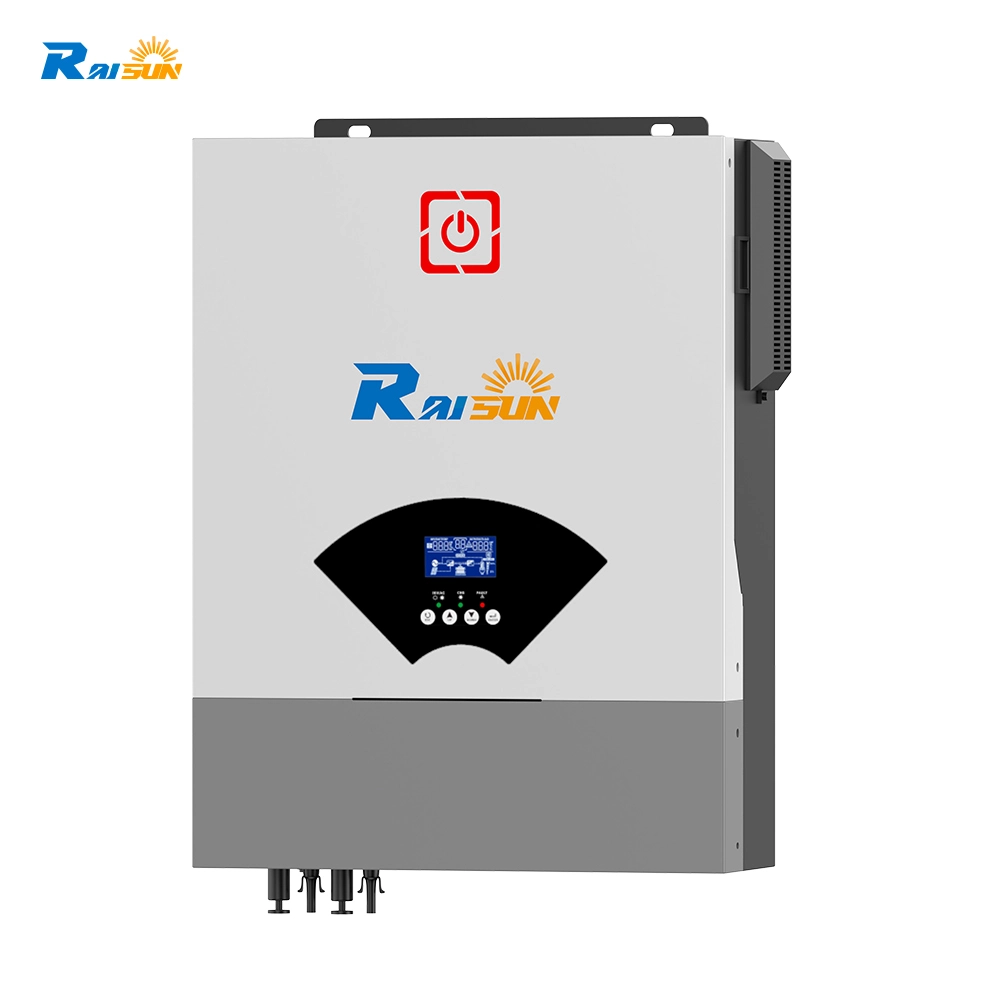
When choosing components for a high-performance array, the quality of the electronics is paramount. The micro inverters for sale from Raisun are engineered to meet the highest global standards for efficiency and thermal management. Raisun’s microinverter technology focuses on maximizing the harvest from every square inch of your roof. Designed to withstand extreme outdoor temperatures and high humidity, Raisun units offer a robust alternative to centralized systems. The products are particularly valued for their high conversion efficiency and low start-up voltage, which means the panels start producing energy earlier in the morning and stop later in the evening compared to traditional inverters.
One of the most overlooked benefits of the microinverter is its modularity. With a string inverter, the system's size is capped by the inverter's capacity. If you want to add two more panels to your roof next year, you might have to replace the entire inverter.
With a Raisun micro inverter setup, the system is infinitely scalable. If you have the roof space, you can add panels one by one. Each new panel simply gets its own microinverter and is plugged into the existing AC circuit. This plug-and-play nature makes it the ideal choice for homeowners who want to start small and expand their solar footprint over time.
While microinverters generally carry a higher upfront cost than string inverters, the long-term Return on Investment (ROI) is often higher due to the increased energy yield. They are particularly recommended for:
Roofs with Multiple Orientations: If your panels face East, West, and South, a microinverter handles the different sunlight angles perfectly.
Small Residential Systems: Where maximizing every watt is critical to meeting the home's energy needs.
Areas with Potential Shading: From trees, vent pipes, or neighboring buildings.
However, for large, wide-open ground-mount systems with no shading, a central inverter might still be more cost-effective. It is always best to consult with an installer to perform a shade analysis of your specific property.
The shift from centralized string inverters to distributed microinverters represents a fundamental evolution in how we capture the sun's power. By treating every solar panel as its own independent power plant, microinverters ensure maximum efficiency, unparalleled safety, and a level of system transparency that was previously impossible.
By integrating advanced technology from professional micro inverter suppliers like Raisun, homeowners can build a solar ecosystem that is not only powerful today but flexible enough to grow with their energy needs tomorrow. In the race toward a sustainable future, precision at the panel level is the key to true energy independence.